North Idaho Attic Hatches: Seal Before Winter
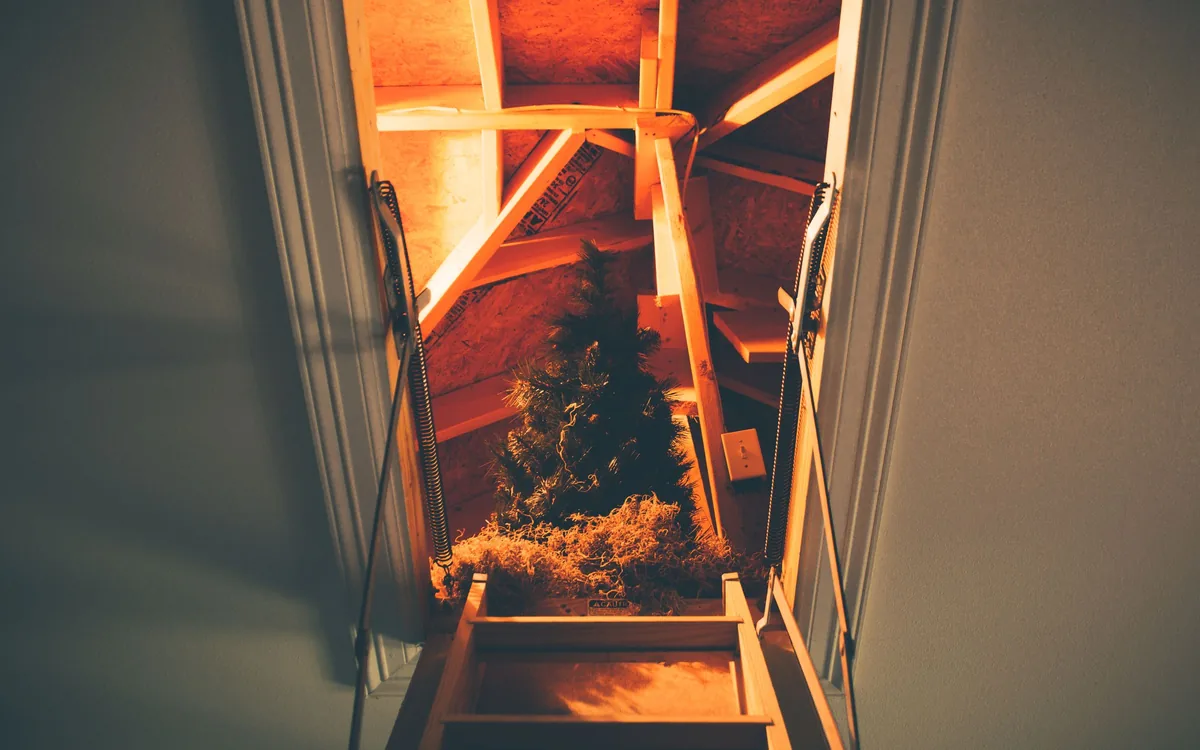
Before winter, look at the door you rarely think about: the attic hatch. A loose panel in a hallway ceiling or an unsealed pull-down stair can let warm, moist air from your living space into a cold attic, even when the shingles above are fine. If you're heading up for holiday decorations this year, it's a good time to check how the hatch closes.
- An attic hatch is part of the boundary between your heated house and a cold attic. The Department of Energy says attic access openings should be air sealed and insulated.
- Heat leaking into the attic can warm the underside of the roof deck and contribute to snowmelt and ice dams. Warm, moist air escaping into a cold attic can cause condensation and frost.
- The fix has two parts: weatherstripping (a gasket) so the panel or door closes airtight, and insulation attached to the cover.
- Check from the floor first. Leave attic entry, wiring, and roof work to professionals.
- A damp spot near the hatch doesn't mean you need a new roof. Find the moisture source before choosing insulation work or roofing work.
On this page
Why Does an Attic Hatch Matter Before Winter?
Because it's a hole in the boundary between your warm house and a cold attic. The Department of Energy's Building America guide says attic access panels, kneewall doors, and drop-down stairs should be air sealed and insulated, and that the stakes are higher in colder climates.
In a conventional vented attic, the ceiling separates the heated house from the unheated attic, and an air barrier is the continuous layer that stops indoor air from moving through it. The hatch is a moving part of that barrier, so it's easy for it to leak.
Snowmelt and ice dams
Heat loss into the attic can warm the underside of the roof deck, which can contribute to snowmelt and ice dam formation, according to the Building America guide.
Condensation and frost
If warm, vapor-laden air from the house escapes into a cold winter attic, it can condense and form frost on cold attic surfaces.
That's a reason to check the hatch, not proof that your hatch caused a particular leak or stain. For how ice dams form, see our guide to ice dams in North Idaho for more.
What Can You Check Without Going Into the Attic?
Plenty, from the floor. Look for a panel sitting crooked, a door that doesn't latch, visible gaps, or staining on the ceiling around the opening, and photograph what you see.
- Look for a panel sitting crooked, a pull-down stair door that doesn't close flush, or visible gaps around the edge
- Look for stains on the ceiling around the opening, and note whether dampness shows up after rain, during a thaw, or in ordinary cold weather
- If the access is a door you can reach standing on the floor, check for missing or damaged weatherstripping around its edges
- Outside, stay on the ground and photograph visible roof damage or ice buildup from a safe distance
Know where to stopDon't lift an overhead panel, unfold unfamiliar stairs, or stand on furniture just to look at a seal. Don't stand under hanging ice, climb a ladder, or walk a wet or snowy roof. Unknown insulation, exposed wiring, and venting for heating appliances are jobs for professionals.
If you find a stain, the EPA's moisture guide says the key to mold control is moisture control: fix the source of the water, not only the stain. If you clean up mold but don't fix the water problem, the EPA says the mold will most likely come back.
What Does a Proper Attic Hatch Seal Involve?
Two separate jobs: air sealing and insulating. A gasket controls air movement around the panel, and insulation slows heat moving through it. Laying a loose batt of insulation on top of a poorly fitting hatch doesn't fix the leak around its edges.
For a ceiling hatch panel
- Trim ledge
Wood trim on the inside edge of the opening forms a ledge, about one-half inch to one inch wide, for the panel to rest on.
- Weatherstripping
Weatherstripping along the top of that ledge acts as the gasket.
- A panel that pulls tight
The panel is cut with even edges, and latch bolts or another fastener pull it tight against the weatherstripping.
- Insulation on the cover
Rigid foam or fiberglass batt insulation is glued or mechanically fastened to the top of the panel.
For pull-down attic stairs
- Gasket around the opening
Trim around the opening with weatherstripping acts as a continuous gasket when the stair door is closed.
- Insulated cover
A box made of rigid foam insulation sits over the opening from the attic side and lifts out of the way when you go up. Some stair kits come with rigid insulation already attached to the door panel.
- Insulation dams
Boards or plywood strips around the stair framing keep blown-in attic insulation from falling into the opening.
These are the methods described in the Building America guide. Ask an insulation or home-performance contractor, someone who evaluates how a house handles heat, air, and moisture, to check the fit and the other ceiling leaks around it. Have them confirm whether your attic is vented or part of the heated space before choosing details, because the right fix depends on the roof assembly.
Should You Seal the Roof Vents Too?
No, not in a conventional vented attic. The hatch separates indoor air from the attic, while roof vents let outdoor air move through the attic. Seal the house-to-attic opening without blocking the attic's ventilation.
An attic without outdoor vents, or one inside the heated space, needs a different design and professional advice. Our roof ventilation guide covers how attic airflow works.
How Do You Plan and Budget the Work?
Ask for a written scope that names the hatch repair, the gasket, the insulated cover, and a final check that the cover closes tightly. There's no useful universal price for an opening nobody has seen, so compare what each bid includes.
- Ask whether trim repairs, difficult access, cleanup, and photos are included
- Builders and remodelers: name the trade responsible for the finished hatch. The Building America guide says the insulated, gasketed cover might be installed by the framer or the insulation contractor, and should be in the contract for the appropriate trade
- Buyers: ask about the attic access alongside a roof inspection, rather than assuming a roof assessment covers insulation
If there's evidence of water coming through the roof, ask about a targeted roof repair first. Neither a repair nor a replacement decision should rest on a loose hatch alone. We're roofers, not insulation contractors: we can check the roofing side and help you separate it from the insulation work. Our roof inspections are free.
Want a Clear Answer About the Roofing Side?
Tell us what you noticed. We'll check the roof, explain what we find, and talk through the next step without pressure.
Frequently Asked Questions
Will sealing my attic hatch stop ice dams?
It can fix one contributing heat leak, but it isn't a guaranteed cure. Other ceiling leaks, insulation gaps, roof details, and ventilation still need to be looked at. Ask for a whole-attic assessment rather than a promise based on the hatch alone.
Should I seal the roof vents too?
No, not in a conventional vented attic. The hatch separates indoor air from the attic, while roof vents let outdoor air move through the attic. An attic without outdoor vents, or one inside the heated space, needs a different design and professional advice.
Can I fix the attic hatch myself?
Simple weatherstripping on an access you can reach safely may be manageable. Overhead panels, pull-down stairs, and insulation covers can be awkward or heavy. Leave unsafe access, unknown insulation, wiring, and anything near a heating appliance vent to qualified professionals.
Does dampness near the attic hatch mean I need a new roof?
No. Dampness alone doesn't show that the roof needs replacing. Condensation, a roof leak, and other moisture sources can leave similar signs, so have the cause identified before choosing insulation work or roofing work.
What should I ask about the attic hatch when buying a North Idaho home?
Ask whether the attic access was checked for a tight seal, insulation, and signs of moisture, and request photos and a written explanation of any concerns. Keep the roof assessment separate from the insulation scope so you know what each contractor is covering.
About this guide. Written by Lakeview Roofing & Restoration, a family-owned roofing company in Rathdrum, Idaho, and an Owens Corning Preferred Contractor with HAAG certified inspectors. Facts in this guide were checked against the sources listed below.