
North Idaho Winter Roof Damage: What to Do After a Storm
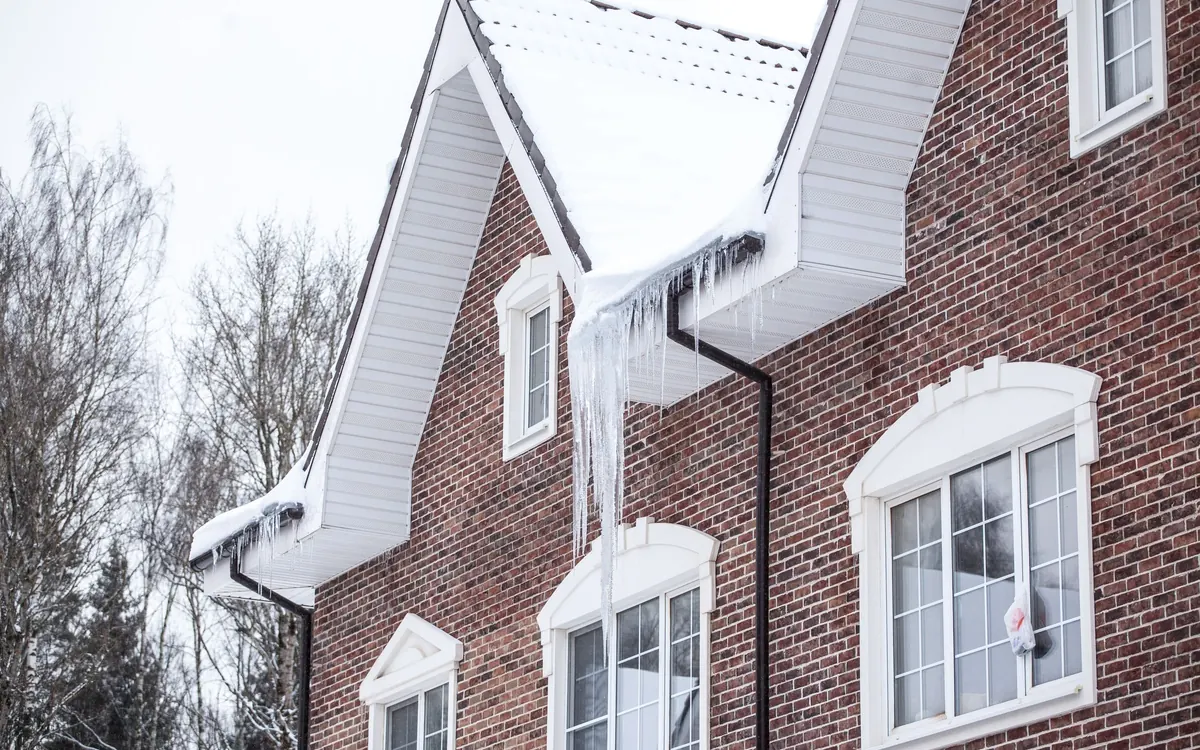
Heavy snow, ice, and wind can damage a roof in a single storm. If your North Idaho home was hit this winter, here's what to do, step by step, and what kinds of winter roof damage to look for.
- Stay off the roof. Check from the ground and inside, and stay at least 50 feet from any downed power line.
- Photograph the damage, protect the inside of your home, and get an emergency tarp over any opening. Keep every receipt.
- Lakeview typically responds to storm damage the same day, within 24 hours.
- Report the damage to your insurance company as soon as you decide to file, and don't make permanent repairs before talking with your insurer.
On this page
What Should You Do After a Winter Storm Damages Your Roof?
Stay safe, photograph the damage, protect the inside of your home, call a roofer for an emergency tarp, report the claim, and meet the adjuster before any permanent repairs.
- Stay safe
Don't climb onto the roof. After a storm it can be icy, wet, or weakened. From the ground, look for shingles in the yard, dented gutters, and branches on the roof, and look inside for water stains.
- Document the damage
Take photos and video of everything you can see from the ground and inside, before anything is cleaned up.
- Protect the inside
Put buckets under drips and move furniture and valuables away from leaks. If you can reach the attic safely, check it for active leaks too.
- Get an emergency tarp
Call Lakeview at (208) 661-1781. We typically respond to storm damage the same day, within 24 hours, to tarp the roof and keep more water out.
- Report the claim
Call your insurance company or agent as soon as you know there's damage and decide to file. Get a claim number and ask how long you have to file.
- Meet the adjuster
The adjuster inspects the roof and takes photos and measurements. Have your roofer there if you can, to point out damage that's easy to miss.
- Repair the roof
Once you and your insurer agree on the scope of the damage, we schedule the repair or replacement.
Downed power line?Avista says to assume a downed line is still live, stay back at least 50 feet, never try to move it, even with a branch, and call Avista at (800) 227-9187 right away. If the line is touching a car, fence, or other metal, call 911 as well. If another utility serves your home, call that utility.
The Idaho Department of Insurance tells homeowners to prevent further damage by covering a damaged roof with a tarp or other waterproof material, to keep all receipts for emergency repairs, and not to make permanent repairs before talking with the insurance company. For the full process, read how to file a roof insurance claim in Idaho.
What Kinds of Winter Roof Damage Happen in North Idaho?
The usual winter problems are ice dams at the eaves, shingles lifted or torn off by wind, the weight of heavy snow and ice, and branches that break under snow and fall on the roof.
Ice dams
A ridge of ice at the roof edge stops meltwater from draining, and the water backs up under the shingles and into walls and ceilings. The heat that melts the snow comes mostly from the house. See our ice dam guide.
Wind damage
Wind can lift and tear shingles, especially on older or poorly fastened roofs. Lifted shingles let water in on the next storm.
Snow and ice weight
By the City of Coeur d'Alene's rule of thumb, each inch of snow on the roof weighs about 1.25 pounds per square foot, and each inch of ice adds about 5.2. Rain on top of snow raises the weight quickly.
Falling branches
Snow-laden branches can break and fall onto the roof. Even small branches can crack shingles and open leak points.
Homes built with permits in Coeur d'Alene are designed for at least 40 pounds per square foot of roof snow. Older roofs may not meet that minimum, and manufactured homes were designed for 30 until recently. See our snow load guide for the figures in other Kootenai County cities.
Should You Shovel Snow Off Your Roof?
That's your decision. The City of Coeur d'Alene doesn't make recommendations on when to remove roof snow, and it warns that shoveling or raking can damage the roof and lead to falls and injuries. If you're worried about the structure, consult an Idaho licensed engineer.
Flat and low-slope roofs (less than 3:12) hold more snow moisture, so watch them more closely. A sagging ceiling, cracking sounds, or doors that suddenly stick are reasons to clear the area and get the roof checked.
Does Insurance Cover Winter Storm Roof Damage?
It depends on your policy and what caused the damage. The National Association of Insurance Commissioners says homeowners policies in most states cover windstorm and hail damage. Ask your insurer how your policy treats ice dams and snow weight, and whether you have a separate wind deductible.
We work directly with insurance adjusters and can be there for the inspection. Before you hire anyone after a storm, ask for their Idaho contractor registration number. Idaho law requires contractors to be registered, and the Idaho Department of Insurance notes that reputable contractors usually don't ask for a large payment upfront.
How Do You Prevent Winter Roof Damage Next Year?
Have the roof inspected in the fall, before the snow, and fix small problems like loose shingles, worn flashing, and clogged gutters. A well-insulated, ventilated attic reduces ice dams.
Lakeview's roof inspections are free. Schedule a roof inspection, work through our pre-winter roof checklist, and read why roof ventilation matters here.
Winter Storm Damage? Call Us Now.
We typically respond to storm damage the same day, within 24 hours, to secure your roof, and we work with your insurance adjuster.
Frequently Asked Questions
What should I do first after a winter storm damages my roof?
Stay off the roof and away from downed power lines. Photograph the damage from the ground and inside, protect your belongings from leaks, call a roofer for an emergency tarp, and report the damage to your insurance company.
How fast can Lakeview tarp a storm damaged roof?
Lakeview typically responds to storm damage the same day, within 24 hours. The permanent repair depends on the damage, your insurance company's inspection, materials, and the weather.
How much does snow on a roof weigh?
By the City of Coeur d'Alene's rule of thumb, each inch of snow weighs about 1.25 pounds per square foot, and each inch of ice adds about 5.2. Saturated snow weighs about 20 pounds per cubic foot.
Should I shovel snow off my roof?
It's your decision. The City of Coeur d'Alene doesn't recommend when to remove roof snow and warns that shoveling can damage the roof and cause falls. If you're worried about the structure, consult an Idaho licensed engineer.
Does homeowners insurance cover winter roof damage?
It depends on your policy and the cause. Homeowners policies in most states cover windstorm and hail damage. Ask your insurer how your policy treats ice dams and snow weight.
How do I avoid storm chasers after a winter storm?
Ask for the contractor's Idaho registration number, get a written estimate, and be wary of anyone who asks for a large payment upfront.
About this guide. Written by Lakeview Roofing & Restoration, a family-owned roofing company in Rathdrum, Idaho, and an Owens Corning Preferred Contractor with HAAG certified inspectors. Facts in this guide were checked against the sources listed below.
Sources
- Idaho Department of Insurance, Post-Disaster Claims Guide
- National Association of Insurance Commissioners, A Consumer's Guide to Home Insurance (2022)
- City of Coeur d'Alene Building Services, Should I shovel the snow off my roof? (handout)
- University of Minnesota Extension, Dealing with and preventing ice dams
- Avista, Downed Power Lines (January 2026)
- Idaho Code 54-5204, Contractor Registration Required