Best Roof Color for North Idaho Homes: Style and Performance
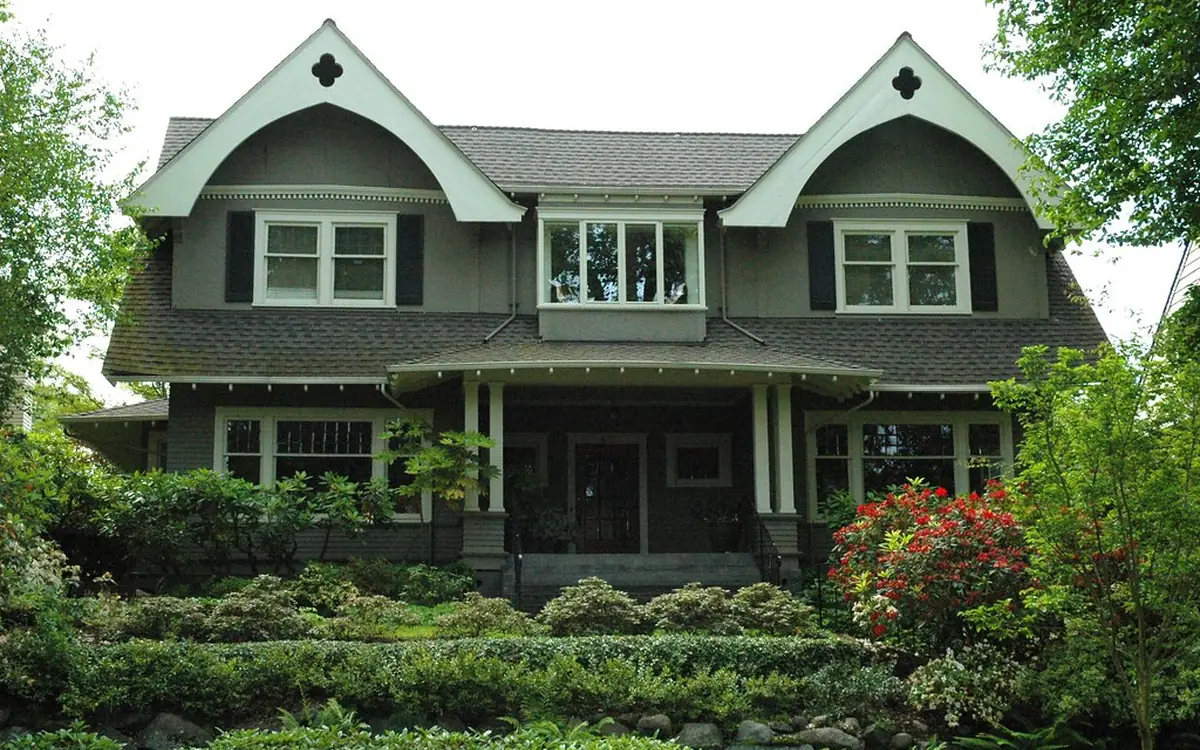
Choosing a roof color is mostly about how your home looks, and you'll live with it for as long as the roof lasts. Color also affects how much heat the roof absorbs, though in North Idaho's climate that matters less than you might think.
Here's how color affects performance here, which color families suit our homes and landscape, and how to choose one you'll still like in 20 years.
- Dark roofs absorb more sunlight and run hotter; lighter and "cool color" roofs reflect more of it.
- The Department of Energy says cool-color roofs can cut cooling costs by at least 5 to 20%, but the savings are greatest in hot climates, and a cool roof can raise winter heating needs.
- In North Idaho, attic insulation and ventilation matter more than roof color for comfort and ice dams.
- Pick a color that suits your siding, your neighborhood, and any HOA rules, and look at real samples on your house before you decide.
On this page
Does Roof Color Affect How Hot Your House Gets?
Yes, somewhat. Dark roofing absorbs sunlight and passes heat into the attic, while white or "cool color" roofing reflects more of it. The Department of Energy says a white or cool-color roof can reflect up to 90% of the sunlight that hits it.
According to the Department of Energy, cool-color shingles look like ordinary shingles but reflect more sunlight, and cool asphalt shingles cost about the same as conventional ones. A well-insulated, well-ventilated attic does more for upstairs comfort than any roof color. See our roof ventilation guide.
Will a Lighter Roof Lower Your Energy Bills in North Idaho?
A little in summer, but less than in hotter places. The Department of Energy says a cool-color roof can cut cooling costs by at least 5 to 20%, with the biggest savings in hot and warm climates, and notes a cool roof can increase heating needs in winter.
North Idaho has a long heating season and a short cooling season, so energy savings alone usually aren't a reason to choose a light roof here. Choose the color you like, and put the energy money into attic insulation and ventilation.
Does a Dark Roof Help With Snow or Cause Ice Dams?
Neither, in any way that matters. Ice dams start when heat escaping from the house melts snow higher on the roof and the water refreezes at the cold eave. The fix is attic insulation, air sealing, and ventilation, whatever the roof color.
Don't pick a dark roof expecting it to clear snow, or a light one expecting it to prevent ice dams. See our ice dam guide.
Which Roof Colors Suit North Idaho Homes?
Colors that work with the landscape and with your siding: warm browns and tans, grays from light to charcoal, slate blue-grays, and deep greens. Most homes do best with a neutral that complements the siding and trim.
Warm browns and tans
Blends of brown, gray, and tan look natural against forests and lake country, and they go with most siding colors.
Light to mid grays
Cooler and cleaner than the browns, and a natural fit with gray, blue, or sage siding.
Charcoal and black
Strong contrast on white, cream, or light gray homes, and a common choice on modern houses. Dark colors absorb the most heat, so make sure the attic is ventilated.
Slate and deep greens
Blue-grays suit craftsman homes with stone or brick. Deep greens suit log homes, cabins, and wooded lots, and narrow the look to fewer house styles.
Shingle and metal colors come in different ranges, so ask to see what's available for the material you're choosing. Compare materials in architectural vs. 3-tab shingles and asphalt vs. metal roofing.
Does Roof Color Affect Resale Value?
The condition of the roof matters more than its color. Neutral colors suit the most buyers and house styles, while bold colors suit fewer, so if you're selling within a few years, a neutral that matches the neighborhood is the safe choice.
How Do You Pick the Right Roof Color?
Look at real samples against your siding in different light, try colors on a photo of your house, check any HOA rules, and choose something you'll still like in 20 years.
- See samples in different light
A sample looks different indoors, in sun, in shade, and on overcast days. Hold it against your siding in the morning, at midday, and on a gray day. We bring samples to every estimate.
- Try it on a photo of your house
Owens Corning's Design EyeQ tool lets you upload a photo of your home, or pick a sample house, and try different shingle colors on it.
- Match your siding and trim
If your home has more than one exterior material, like stone and siding, make sure the roof works with both.
- Check your HOA
Some neighborhoods limit roof colors. Check the architectural guidelines before you choose.
- Think long term
You'll live with this color for decades. Colors that suit the landscape tend to age better than trendy ones.
Ready to choose? Start with a free roof inspection and estimate, or see our roof replacement service.
Need Help Choosing Your Roof Color?
We bring samples to every estimate so you can see colors against your actual home. No pressure, no guessing, just straight advice on what works here.
Frequently Asked Questions
Does roof color affect my energy bills in North Idaho?
A little. The Department of Energy says a cool-color roof can cut cooling costs by at least 5 to 20%, but savings are greatest in hot climates and a cool roof can raise winter heating needs. With North Idaho's long heating season, attic insulation and ventilation matter more than roof color.
Do dark roofs cause ice dams?
No. Ice dams start when heat escaping from the house melts snow higher on the roof and the water refreezes at the cold eave. Attic insulation, air sealing, and ventilation prevent them, whatever the roof color.
What roof colors look best in North Idaho?
Neutrals that suit the landscape and your siding: warm browns and tans, grays, charcoal, and slate blue-grays. Deep greens suit log homes and wooded lots.
Can I see what different colors will look like on my house?
Yes. Owens Corning's Design EyeQ tool lets you upload a photo of your home and try different shingle colors. We also bring physical samples to every estimate so you can see them against your siding.
Does roof color affect resale value?
The roof's condition matters more than its color. Neutral colors suit the most buyers, so if you're selling within a few years, a neutral that fits the neighborhood is the safe choice.
About this guide. Written by Lakeview Roofing & Restoration, a family-owned roofing company in Rathdrum, Idaho, and an Owens Corning Preferred Contractor with HAAG certified inspectors. Facts in this guide were checked against the sources listed below.