Architectural Shingles vs. 3-Tab: Which Is Better for North Idaho?
If you're pricing an asphalt shingle roof in North Idaho, you'll see two kinds: 3-tab and architectural. Both are asphalt shingles and both go on the same way, but they're different products, and in our wind and snow the difference matters.
The short version: architectural shingles are the better choice for almost every home. 3-tab still has a place, and here's where.
- Architectural shingles last 20 to 25 years in North Idaho; 3-tab shingles 15 to 20.
- On Owens Corning's own lines, the Duration architectural shingle is rated for 160 mph winds with its required components, versus 60 mph for the Supreme 3-tab.
- On a 2,000 square foot roof, architectural shingles cost about $10,000 to $14,000 installed, versus $7,000 to $10,000 for 3-tab.
- For a home, choose architectural. 3-tab makes sense for sheds, outbuildings, and matching an existing 3-tab roof.
On this page
What's the Difference Between 3-Tab and Architectural Shingles?
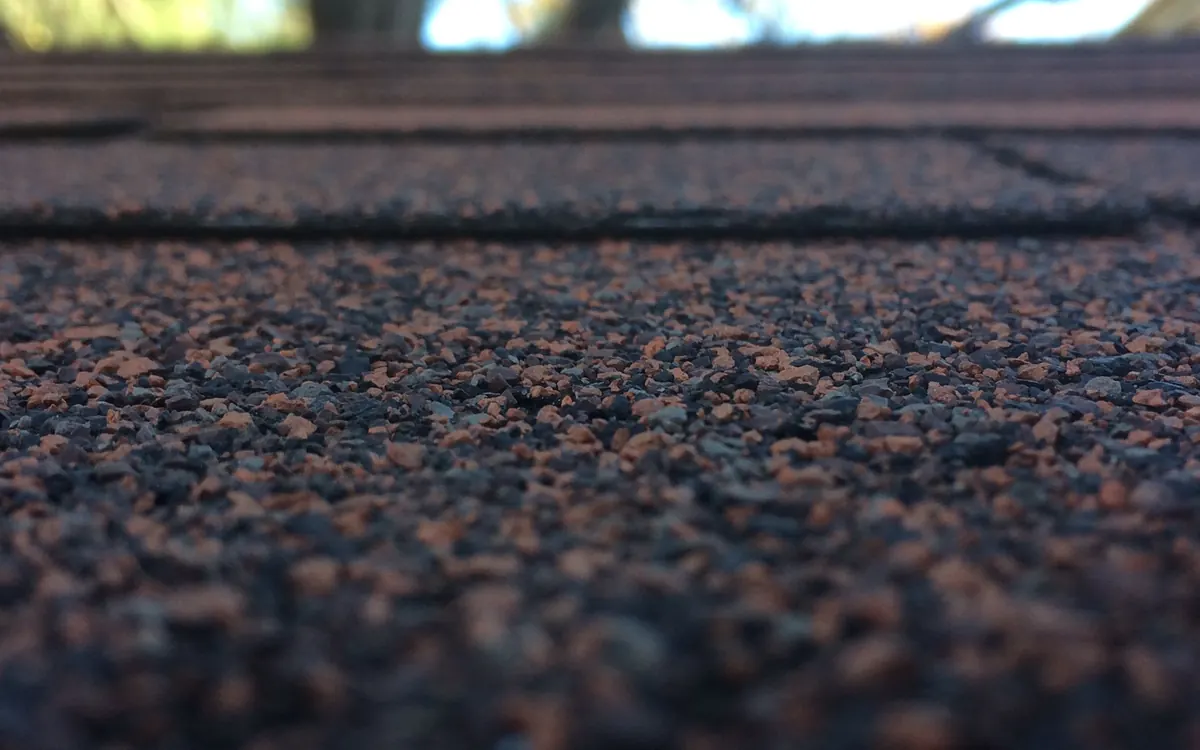
3-tab shingles are a single flat layer with three identical tabs, so every shingle looks the same. Architectural shingles, also called dimensional or laminated shingles, are built from layers bonded together, which makes them thicker and gives the roof depth and texture.
3-tab shingles
A single layer of asphalt with three uniform tabs cut along the bottom edge. Flat and even from the street, and the traditional budget option.
Architectural shingles
Two or more layers laminated together, with tabs of different shapes and sizes. Thicker, with a dimensional look that resembles wood shake or slate.
How Do 3-Tab and Architectural Shingles Compare?
Architectural shingles cost more but last longer, hold up far better in wind, and carry a longer warranty. Here's a side-by-side using Lakeview's prices and lifespans, and Owens Corning's specs for its own 3-tab and architectural lines.
| 3-tab | Architectural | |
|---|---|---|
| Installed cost per sq ft | $3.50 to $5 | $5 to $7 |
| 2,000 sq ft roof | $7,000 to $10,000 | $10,000 to $14,000 |
| Lifespan in North Idaho | 15 to 20 years | 20 to 25 years |
| Owens Corning example | Supreme | Duration |
| Wind rating (Owens Corning) | 60 mph | 160 mph with OC components and starter shingles at the eaves and rakes |
| Warranty (Owens Corning) | 25-year limited | Limited lifetime |
| Algae resistance (Owens Corning) | None listed | StreakGuard, 25 years |
| Look | Flat, uniform | Dimensional, textured |
A warranty describes coverage, not lifespan. Owens Corning's lifetime coverage, for example, covers manufacturing defects for as long as you own a single-family home. See how long a roof lasts in North Idaho.
Why Are Architectural Shingles Better for North Idaho?
Mostly wind. Homes on the Rathdrum Prairie, ridgelines, and open lakeshore see real wind, and Owens Corning rates its Duration architectural shingle for far higher winds than its Supreme 3-tab. They also last longer here and look better.
- Wind: 160 mph for Duration with Owens Corning's required components, versus 60 mph for Supreme
- Lifespan: 20 to 25 years versus 15 to 20 in our climate
- Warranty: limited lifetime on Duration versus 25-year limited on Supreme
- Look: layered shadow lines give the roof depth from the street
How Much More Do Architectural Shingles Cost?
About $2,000 to $4,000 more on a 2,000 square foot roof, or roughly $1.50 to $2 more per square foot installed. For that, you get a roof that typically lasts longer and holds up better in wind.
For full pricing, see the North Idaho roof cost guide and asphalt shingle cost in Kootenai County.
When Do 3-Tab Shingles Still Make Sense?
For sheds and outbuildings, short-term repairs on a roof you'll replace soon, and matching an existing 3-tab roof. For your home, we almost always recommend architectural.
- Outbuildings: sheds, detached garages, and farm buildings don't need the same performance as your home
- Short-term repairs: if you're replacing the roof in a year or two but have a leak now, a 3-tab roof repair buys time
- Matching: on a partial repair to a 3-tab roof, match what's already there
Considering metal too? Our asphalt vs. metal comparison covers how shingles stack up. If you're not sure what's on your roof now, start with a free roof inspection, or see our roof replacement service.
Ready to Upgrade Your Roof?
We'll look at your roof, explain your options with no pressure, and give you a straight estimate. Serving Rathdrum, Coeur d'Alene, Post Falls, and all of Kootenai County.
Frequently Asked Questions
What's the difference between 3-tab and architectural shingles?
3-tab shingles are a single flat layer with three identical tabs. Architectural shingles are made from layers laminated together, so they're thicker and have a dimensional look.
How much more do architectural shingles cost?
On a typical 2,000 square foot North Idaho roof, architectural shingles add about $2,000 to $4,000 compared with 3-tab, or roughly $1.50 to $2 more per square foot installed.
Do architectural shingles last longer in North Idaho?
Yes. Architectural shingles last 20 to 25 years here, while 3-tab shingles often wear out at 15 to 20.
Are architectural shingles better in wind?
Much better. Owens Corning rates its Duration architectural shingle for 160 mph winds with its required components and starter shingles at the eaves and rakes, versus 60 mph for its Supreme 3-tab.
Can I mix 3-tab and architectural shingles on the same roof?
We don't recommend it. They have different thicknesses and profiles, so the roof looks uneven, and the 3-tab sections will wear out first. On a partial repair, match what's there; on a full replacement, go architectural.
About this guide. Written by Lakeview Roofing & Restoration, a family-owned roofing company in Rathdrum, Idaho, and an Owens Corning Preferred Contractor with HAAG certified inspectors. Facts in this guide were checked against the sources listed below.